

Managing Stress in Hong Kong’s Fast-Paced Environment
Practical stress-reduction techniques designed for city living. You’ll learn methods that work when you’re stuck in traffic or dealing with back-to-back meetings.
We’ll cover how to build a habit that sticks, common mistakes beginners make, and why consistency matters more than perfection.
Starting meditation can feel intimidating. You hear about people sitting for hours in silence, and you think—that’s not for me. But here’s the thing: most beginners don’t need to sit for hours. You don’t even need an hour. You need consistency, a simple technique, and realistic expectations about what’s actually going to happen.
The biggest mistake we see? People expect meditation to feel a certain way. They imagine their mind will go blank, or they’ll feel instantly calm, or they’ll have some profound insight. When none of that happens in week one, they quit. The truth is messier and more interesting than that.
Forget lotus position. Seriously. You can meditate sitting on a chair, lying down, or even standing. The position doesn’t matter as much as comfort and stability. What matters is that your spine is relatively upright—this helps you stay alert without falling asleep—and that you’re not in pain.
Here’s what works for most people: sit on a chair with your feet flat on the floor, or sit on a cushion on the ground with your knees bent. Your hands can rest on your lap. Close your eyes or keep them slightly open, gazing down. Don’t overthink it. The position is just the container for the practice, not the practice itself.
In Hong Kong’s humid climate, many people find sitting near a window helps—fresh air, natural light, and a sense of space can make those first weeks feel less claustrophobic. If you’re in a small apartment, even five minutes facing a window makes a difference.
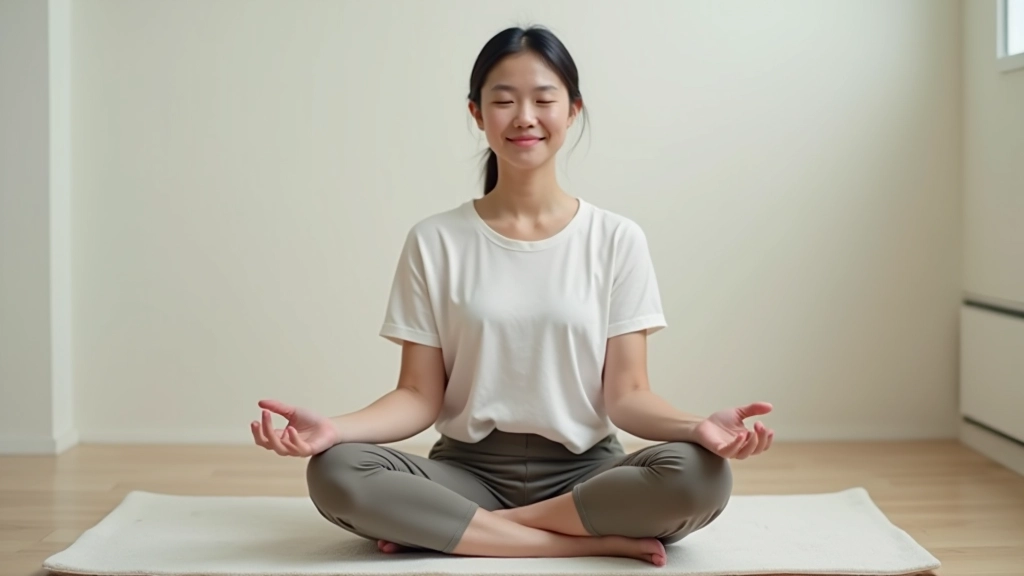

Breath awareness is the simplest meditation to start with. You’re not controlling your breath or making it deeper. You’re just noticing it. Here’s the practice in three steps:
That’s it. You’re not trying to achieve anything. You’re just practicing the act of noticing and returning. That’s the whole thing. Do this for five minutes, six days a week, and you’ll build a real practice in about three weeks.
You’re fired up and decide to meditate for 30 minutes. Your mind goes crazy. You’re frustrated by minute eight. You don’t come back. Start with five minutes. Seriously. Five.
First session feels chaotic? That’s normal. Your mind isn’t broken. You’re just noticing it for the first time without distraction. By week two, you’ll settle down.
You skip day four, then feel awkward coming back. Don’t quit. Come back on day five. Missing one day is fine. Making it a pattern is where you lose the habit.
Meditating when you’re exhausted? You’ll fall asleep. Meditating right after coffee? Too wired. Early morning or early evening works best for most people.
Five minutes, six days a week, for three weeks. That’s the magic formula. Not because there’s anything mystical about those numbers, but because that’s the threshold where meditation stops feeling like a chore and starts feeling like a reset button.
You’ll notice changes around week three or four. Not life-changing stuff—not yet. But you’ll notice you’re slightly less reactive when someone cuts you off in traffic. You’ll catch yourself before snapping at a colleague. You’ll sleep a bit better. These aren’t big moments. They’re the small shifts that prove something’s working.
The key is showing up even when you don’t feel like it. That’s where the real practice happens. Not in the moments when meditation feels good—in the moments when your mind is racing and you’re sitting there anyway, just noticing your breath. That’s the work.

This article is for educational purposes only. Meditation is a complementary practice, not a substitute for professional mental health care. If you’re dealing with anxiety, depression, or other mental health concerns, please consult with a qualified healthcare professional. Everyone’s experience with meditation is different—what works for one person may take longer for another. Be patient with yourself.